Table of Contents
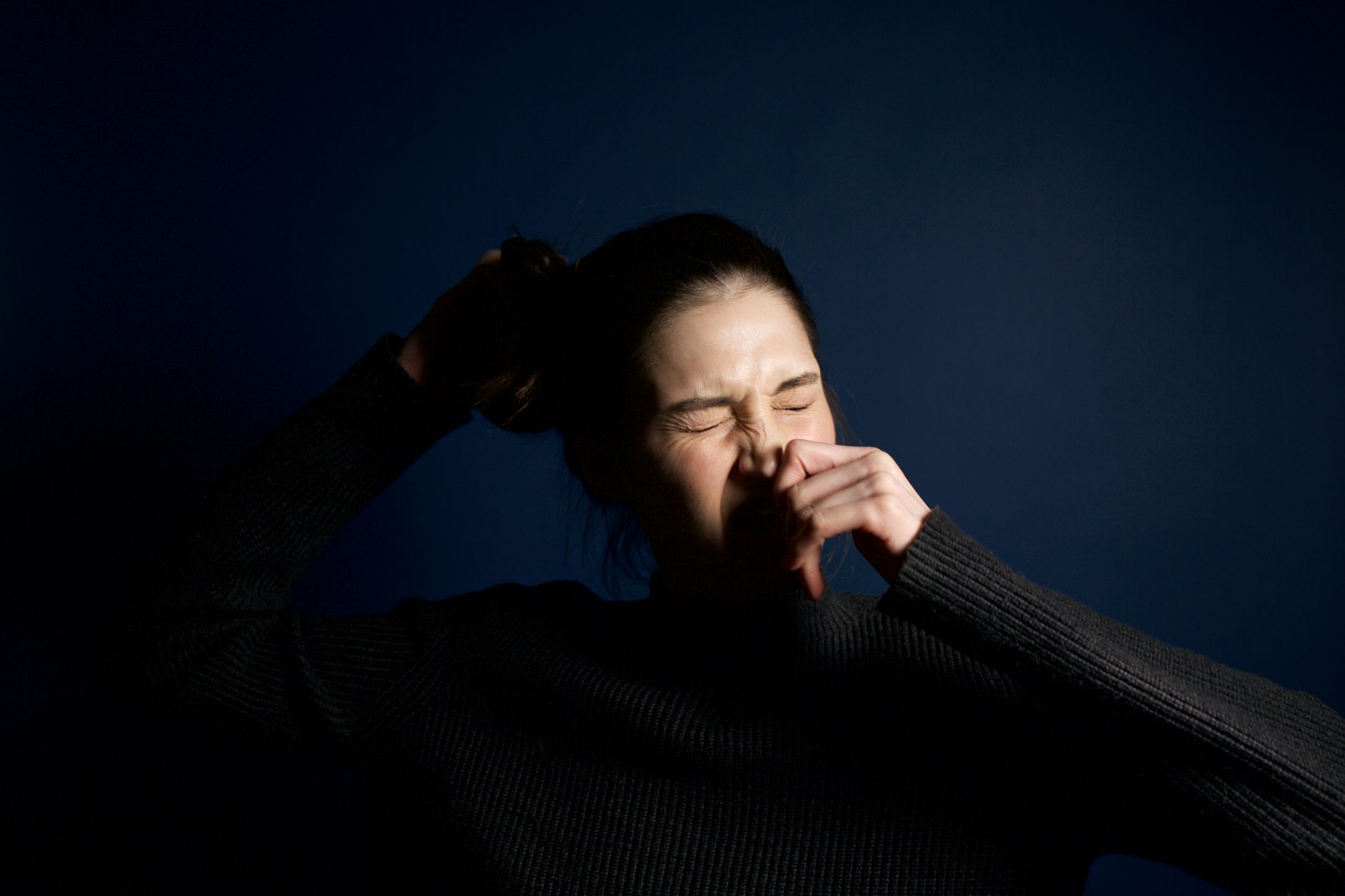
Next weekend, a big chunk of the country drags a fir through the front door. According to Real Christmas Tree Board research reported by MediaPost, about 14% of real-tree buyers shop before Thanksgiving and roughly another third buy over Thanksgiving weekend. If you’re one of the people who spends every December stuffy, sneezy, and convinced you’ve caught something at the office party, I’d look at the tree before the coworkers. And I’d look at the calendar before the tree. For Christmas tree allergy, the species you pick matters less than how many days the tree spends in your living room.
Christmas tree allergy is mostly a mold problem
Pine pollen gets blamed, but it usually isn’t the culprit. Ohio State’s Wexner Medical Center says pollen is “not the main irritant” and points to mold and dust instead. The best lab look at this is a 2011 letter in the Annals of Allergy, Asthma & Immunology by Lawrence Kurlandsky and colleagues at SUNY Upstate, who sampled indoor holiday trees and identified the molds growing on them. Ohio State’s summary of that work counts more than 50 kinds of mold on the samples. Most of the molds identified were potential allergens, the kind linked to wheezing, persistent cough, and allergic sensitization.
That fits the symptom list Cleveland Clinic gives for what’s sometimes called Christmas tree syndrome: coughing, sneezing, congestion, red itchy eyes, sore throat, sinus pressure, and sometimes rashes or hives. It looks a lot like a cold, which is why so many people never connect it to the tree. A cold has its own arc and clears up on its own (we walked through that timeline when we covered working out with a cold). Tree symptoms tend to hang around as long as the tree does and fade once it’s gone.
The spore count climbed after day four
The one study that measured tree mold over time is small, and it’s the reason I now plan tree day around the calendar. In 2007, allergists in Connecticut, including Philip Hemmers of St. Vincent’s Medical Center and mold specialist John Santilli, set up a live tree in a home and measured airborne mold spores 12 times over two weeks, from December 24 to January 6. They presented the results at the American College of Allergy, Asthma & Immunology annual meeting, as HealthDay reported at the time.
For the first three days, the count sat around 800 spores per cubic meter of air. Hemmers said normal counts are under 1,000. After day four, it started rising, and by day 14, when they took the tree down, it had reached 5,000 spores per cubic meter, about five times normal. Hemmers said high spore levels have been linked in other research to allergic rhinitis and more asthma symptoms and asthma-related hospital visits. His advice for people with mold sensitivity was to keep a live tree inside for only four to seven days.
I want to be upfront about the limits. This was one tree in one house, and another allergist quoted in the coverage, Dennis Ownby of the Medical College of Georgia, pointed that out. Your tree, your house, and your humidity will be different. But it’s the only measurement I’ve found of what happens to the air over time, and it shows a slope, not a switch. The air was fine for a few days. It got worse the longer the tree stayed.
Worked example: a Black Friday tree versus a mid-December one
Count the days on a typical schedule and the problem shows up fast.
Say you buy the tree Saturday, November 28, the most popular weekend, and take it down Saturday, January 2. That’s 35 days indoors. Only the first three line up with the low counts in the Connecticut home. That leaves 32 days in territory the study either showed was rising (days 4 through 14) or never measured at all (days 15 through 35, after the researchers had already hauled their tree out). That second stretch is three full weeks past the point where the count hit five times normal.
Now say you buy on Thursday, December 10, hose it down, and let it dry in the garage until Saturday, December 12. It comes inside that day and goes out Saturday, December 26. That’s 14 days indoors, the exact window the study tracked, and zero days in unmeasured territory. If you’re the most sensitive person in the house, take Hemmers’s advice literally and bring it in Friday, December 18. Out on December 25, that’s seven days.
The cost per day changes too. Newsweek figures cited by MediaPost put most real-tree spending between $80 and $100, so call it $90. Over 35 days, that’s about $2.57 a day. Over 14 days, it’s about $6.43. Over seven, it’s about $12.86. On paper the long stretch wins. In practice you’re paying $3.86 a day less for 21 extra days in air nobody has measured, and if you’re the one who gets the mystery December cold every year, that’s the worst trade on the list.
Hosing it down only works if you let it dry
Every allergist guide I read tells you to shake and hose the tree before it comes inside. Cleveland Clinic says shaking it out and hosing it down “goes a long way” toward reducing allergens, and UCLA Health adds blowing debris out with an air compressor. Fewer guides say what happens next. Mold likes moisture, and a dripping tree going straight into a warm living room isn’t doing you any favors. Ohio State’s version is the one I’d follow: hose it, then let it dry for a few days in a garage, or outside if it’s warm enough. Conveniently, those drying days don’t count against your indoor clock.
A few smaller moves help. Wear long sleeves and gloves while decorating, because the sap can cause a rash a day or two after you touch it, which Ohio State compares to poison ivy. Change your shirt afterward. Put an air purifier in the room with the tree if you already own one. And when Cleveland Clinic’s allergist says to “take the tree down quickly,” believe her. Don’t leave it up for a slow week of guilt.
Artificial trees trade mold for dust
The obvious fix is a fake tree, and for many mold-sensitive people it’s the better choice. But it isn’t automatically clean. Hemmers himself warned that artificial trees “carry their own set of problems” when they spend eleven months in a damp attic or basement. UCLA suggests unpacking an artificial tree outside, then vacuuming or wiping it down, and storing it in an airtight container somewhere that isn’t damp or humid. Your ornaments and garland need the same treatment. They’ve been sitting in the same box, in the same basement, collecting the same dust.
When to stop blaming the tree
If symptoms keep going after the tree leaves, it’s probably not the tree. And if you’re reaching for an asthma rescue inhaler more than twice a week, Ohio State says it’s time to see a doctor. The same goes for a rash bad enough to interfere with sleep or work. Shortness of breath, swelling of the tongue, or a racing heart is an emergency, so call 911. An allergist can test for mold sensitivity and talk through prescription options, including allergy shots if over-the-counter medicine isn’t cutting it.
If the tree is the problem, you don’t have to give it up. Buy it, and mind the calendar. Hose it and give it a couple of days to dry. Bring it in mid-December and have it out the day after Christmas. You’ll still get the smell and the tradition, with a lot less congestion. If your holidays already feel like a cycle of everyone getting sick, our guide to whether hand sanitizer kills norovirus covers the germs a tree can’t take the blame for.
This article is for general information and isn’t medical advice. Talk to your doctor or an allergist about your symptoms.

Allie Wright
Allie Wright is an seasoned writer and the main content creator for Ask Her First. She uses her platform to inspire, educate, and uplift people from all walks of life. Allie's writing is a reflection of her deep commitment to celebrating womanhood in all its forms, and she is dedicated to exploring topics that resonate with her readers, from fashion and beauty to health, wellness, and personal growth. Allie's passion for writing is matched only by her love for creativity and expression. In her free time, she can often be found with a paintbrush in hand, lost in the vibrant world of her canvases. She is also an avid reader, always on the hunt for the next captivating novel to broaden her horizons and spark her imagination.
More stories by this author